
Mini Excavator Buying Guide. How to Choose the Right One in 2026
Mini excavators have become essential for contractors, landscapers, and DIYers alike, thanks to their versatility, maneuverability, and power. But with so many models and specs to compare, choosing the right one can be overwhelming. This complete buying guide breaks down everything you need to know to make a confident decision.
What Is a Mini Excavator?
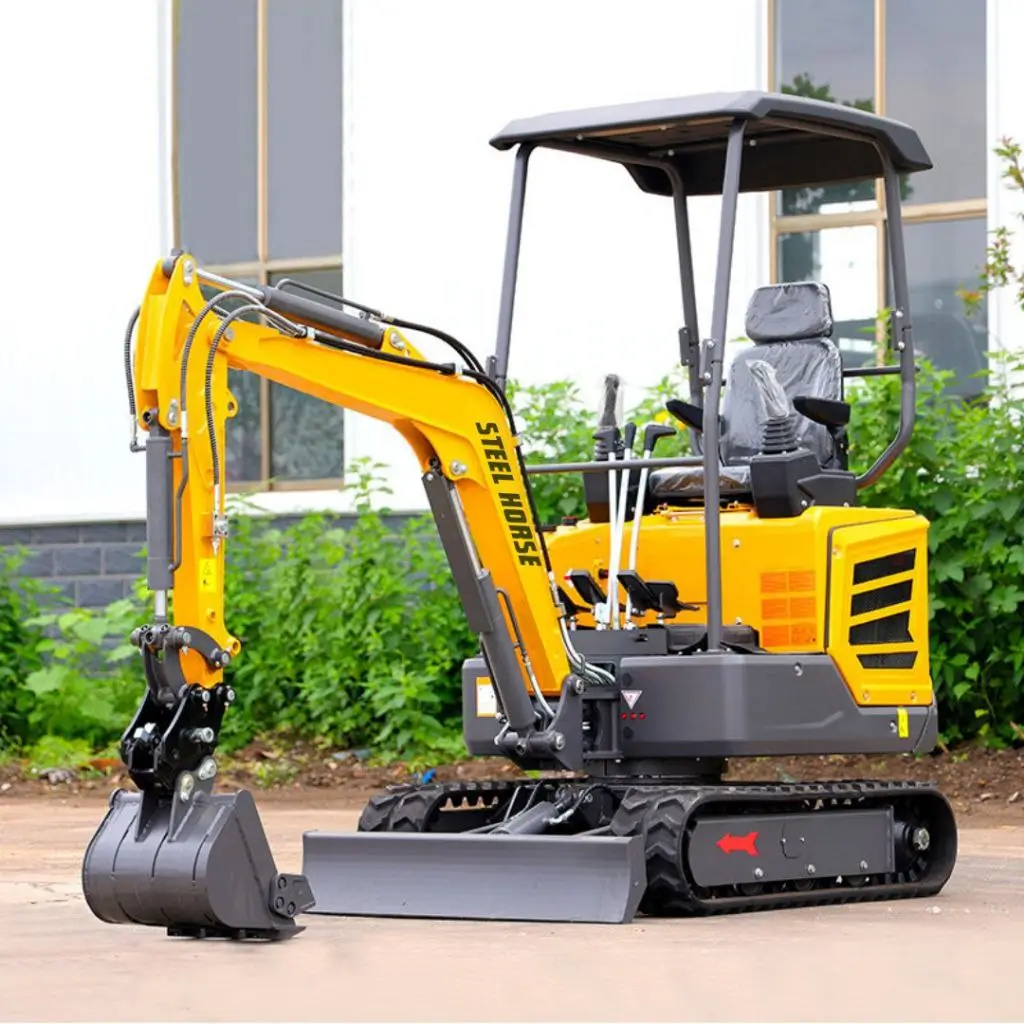
A mini excavator is a compact construction machine equipped with a boom, bucket, and cab on a rotating platform. Unlike full-size excavators, mini models are ideal for tight spaces and lighter jobs, without sacrificing digging performance.
Why Choose a Mini Excavator?
Mini excavators are perfect for:
- Residential construction and landscaping
- Trenching and utility installation
- Demolition in tight spaces
- Roadside and property maintenance
Benefits include:
✔ Easier transportation
✔ Lower fuel costs
✔ Less ground disruption
✔ User-friendly operation
Key Factors When Buying a Mini Excavator
1. Operating Weight & Size
- Compact classes: 1–5 tons → ideal for landscaping and small jobs
- Larger mini models: 5–10 tons → better for heavy trenching and grading
Smaller machines are easier to transport; larger ones have more power.
2. Engine Power (HP)
Higher horsepower means:
- Better digging force
- Stronger hydraulics
- Faster cycle times
Match engine size to your workload, overpowered may be unnecessary, underpowered may slow productivity.
3. Digging Depth & Reach
Choose based on:
- Maximum digging depth: for deep trenches
- Horizontal reach: for extended utility work
Deeper dig means fewer repositioning steps.
4. Hydraulic Performance
Strong hydraulics = smooth, powerful attachments. Look for:
- High flow rates
- Auxiliary hydraulic circuits
for attachments like breakers, augers, and thumbs.
5. Track Type: Steel vs. Rubber
- Rubber Tracks: better for paved surfaces, less damage
- Steel Tracks: higher traction, longer life
6. Cab Comfort & Visibility
Features to consider:
- Air conditioning
- Suspension seats
- Excellent sightlines
Operator comfort increases productivity.
7. Attachments and Quick Couplers
Versatility comes from attachments:
✔ Buckets (grading, trenching)
✔ Augers
✔ Breakers
✔ Grapples
Quick couplers make changing tools fast and easy.
8. Brand Reputation & Support
Choose reliable brands with:
- Wide dealer network
- Easy parts access
- Strong warranties
9. New vs. Used Machines
New machines:
- Warranty security
- Latest tech
Used machines: - Lower cost
- Good value if maintained well
Budget Breakdown
- Under $25,000: Entry-level used
- $25,000–$60,000: Mid-range used/new
- $60,000+: Premium new models
Tip: Always allocate budget for maintenance and attachment upgrades.
Final Tips Before Buying
✔ Inspect hydraulic hoses and cylinders
✔ Check track condition
✔ Confirm service records (if used)
Conclusion
Buying a mini excavator doesn’t need to be confusing. Focus on your job requirements, budget, and machine support. With the right choice, you’ll boost productivity and profitability.
Plarat

Copyright 2025 © Steel Horse Equipment. All right reserved.
